If you've noticed a growing number of ants in your home, you're not alone. Ant infestations are a common issue for homeowners in New Hampshire, particularly in the warmer months. Understanding why these pests invade your home is crucial to prevention and control. This article will explore the reasons behind ant infestations, the types of ants you might encounter, signs of an infestation, factors that contribute to their presence, and effective prevention strategies.
Understanding Ant Behavior
Ants are social insects that live in colonies. Their behavior is driven by a few key factors:
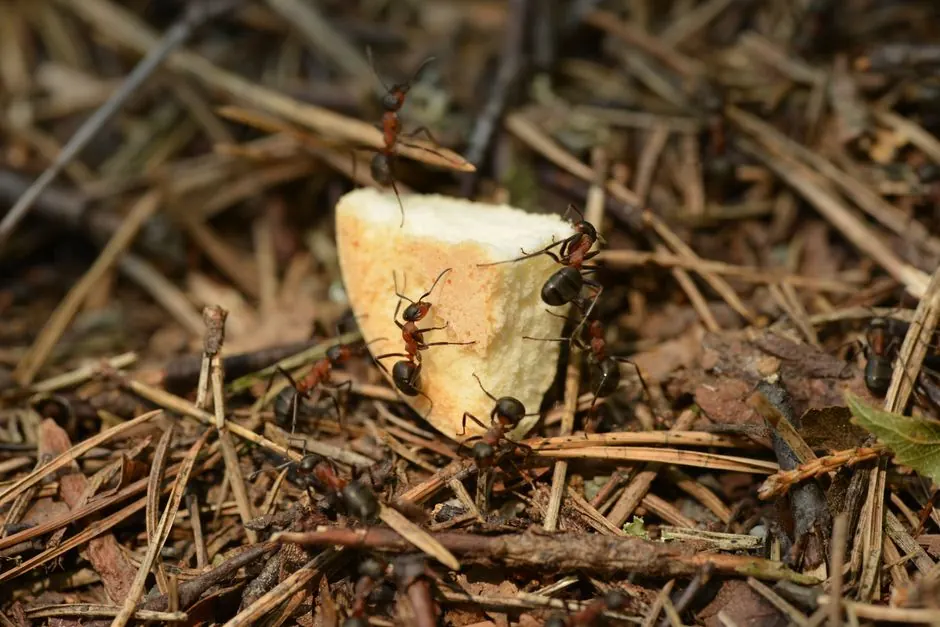
- Food Sources: Ants are attracted to food, especially sugary substances and proteins. They will scout for food and leave pheromone trails to guide other ants to the source.
- Water Sources: Like all living organisms, ants need water to survive. They often enter homes in search of moisture, especially during dry spells.
- Shelter: Ants seek shelter in warm, humid environments. Your home provides an ideal habitat, particularly in basements and kitchens.
Common Types of Ants in New Hampshire
New Hampshire is home to several ant species, each with its own characteristics and behaviors:
- Carpenter Ants: These large ants are known for nesting in wood, causing structural damage. They are often found in damp or decaying wood.
- Odorous House Ants: Small and brown, these ants emit a foul odor when crushed. They are often found indoors, especially in kitchens.
- Pavement Ants: Commonly found under sidewalks and driveways, these small ants can invade homes in search of food.
Signs of an Ant Infestation
Recognizing the signs of an ant infestation early can help you manage the problem effectively. Look for:
- Visible ants in your home, especially in kitchens or near food sources.
- Piles of sawdust near wood structures, indicating carpenter ants.
- Pheromone trails, which appear as lines of ants moving in and out of your home.
- Small holes in wood or walls, particularly if you suspect carpenter ants.
Factors Contributing to Ant Infestations
Several environmental and structural factors can lead to ant infestations in your home:
- Moisture Issues: Leaky pipes or damp areas provide a conducive environment for ants.
- Food Accessibility: Leaving food out or not sealing containers can attract ants.
- Structural Gaps: Cracks and gaps in your home's foundation can serve as entry points for ants.
Prevention Tips for Homeowners
Preventing ant infestations involves a combination of cleanliness and home maintenance:
- Seal Entry Points: Inspect your home for cracks and gaps, and seal them to prevent ants from entering.
- Maintain Cleanliness: Keep your kitchen and dining areas clean. Store food in airtight containers and promptly clean up spills.
- Eliminate Moisture: Fix leaky pipes and ensure proper drainage around your home.
Common Mistakes to Avoid
Many homeowners make mistakes that can exacerbate ant problems:
- Ignoring the problem: If you see a few ants, there are likely many more nearby.
- Using ineffective home remedies: Some DIY methods may not address the root cause of the infestation.
- Neglecting regular inspections: Regularly check your home for signs of ants, especially in vulnerable areas.
When to Call a Professional
If you find yourself dealing with a persistent ant problem, it may be time to contact a professional. New Hampshire Pest Pros specializes in Ant Control in New Hampshire, offering effective solutions tailored to your needs. Our experts can assess the situation and implement a comprehensive treatment plan to eliminate the infestation.
Frequently Asked Questions
1. How do ants get into my home?
Ants can enter through small cracks and openings in your home's foundation, walls, and around windows or doors. They are also attracted to food sources inside your home.
2. What attracts ants to my kitchen?
Ants are drawn to food and water sources. Leaving food out, not cleaning spills, and having open containers can attract them to your kitchen.
3. Are all ants harmful?
While most ants are not harmful, some, like carpenter ants, can cause structural damage to your home by nesting in wood.
4. How can I prevent ants from returning?
To prevent ants from returning, seal entry points, keep your home clean, and eliminate moisture sources. Regular inspections can help spot potential problems early.
5. When should I seek professional help for an ant infestation?
If you notice a significant number of ants or if they persist despite your efforts to eliminate them, it's best to contact a professional pest control service.
Get help with Pest Control in New Hampshire
If you're struggling with an ant infestation, don't hesitate to reach out. Contact New Hampshire Pest Pros today at 18334003143 for reliable and effective pest control solutions.