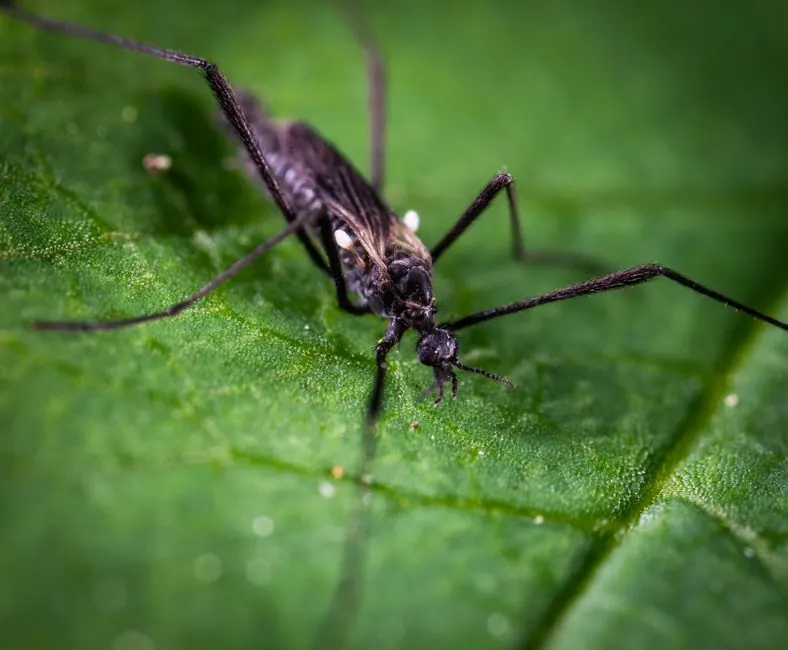
Summer in New Hampshire brings beautiful weather, but it also means an influx of mosquitoes. These pests thrive in the warm, humid conditions of the season. Understanding why mosquitoes are so prevalent can help you take effective measures against them. This article will cover mosquito behavior, ideal breeding conditions, health risks, control strategies, common mistakes, and when to seek professional help from Pest Control in New Hampshire.
Understanding Mosquito Behavior
Mosquitoes are fascinating creatures that have adapted well to their environment. They are most active during the early morning and late evening when temperatures are cooler and humidity is higher. This behavior makes them particularly bothersome during summer evenings when people are enjoying outdoor activities.
Ideal Conditions for Mosquito Breeding
New Hampshire's summer climate provides perfect conditions for mosquito breeding. Standing water is a significant factor, as female mosquitoes lay their eggs in stagnant water. Common breeding sites include:
- Bird baths
- Flower pots
- Old tires
- Clogged gutters
- Natural bodies of water
In addition to standing water, the warm temperatures and humidity levels create a conducive environment for mosquito larvae to thrive. Homeowners in areas like Pest Control in Manchester often report higher mosquito populations due to nearby water sources.
Common Mosquito Species in New Hampshire
Several mosquito species are prevalent in New Hampshire, each with unique characteristics:
- Aedes vexans: Known for its aggressive biting behavior.
- Coquillettidia perturbans: Prefers to breed in marshy areas.
- Anopheles quadrimaculatus: Can transmit malaria, though rare in New Hampshire.
Understanding these species can help you identify the best control methods. For instance, if you notice high populations of Aedes vexans, implementing Mosquito Control in New Hampshire can be particularly effective.
Health Risks Associated with Mosquitoes
Mosquitoes are not just a nuisance; they can pose serious health risks. They are known vectors for several diseases, including:
- West Nile Virus
- Eastern Equine Encephalitis
- Zika Virus
While the risk of these diseases is relatively low in New Hampshire, it is essential to take precautions, especially in areas with standing water.
Effective Mosquito Control Strategies
To manage mosquito populations effectively, consider the following strategies:
- Eliminate Standing Water: Regularly check your property for standing water and remove it.
- Use Repellents: Apply EPA-approved insect repellents when outdoors.
- Install Screens: Ensure that windows and doors have screens to keep mosquitoes out.
- Professional Treatment: For persistent problems, consider professional mosquito extermination in New Hampshire.
Implementing these strategies can significantly reduce mosquito populations around your home.
Common Mistakes in Mosquito Management
Many homeowners make mistakes that can exacerbate mosquito problems. Here are some common pitfalls:
- Neglecting to check for hidden sources of standing water.
- Using ineffective repellents or forgetting to reapply them.
- Ignoring the need for professional intervention when infestations persist.
Avoiding these mistakes can lead to more effective mosquito management throughout the summer months.
When to Call a Professional
If you find that your mosquito control efforts are not yielding results, it may be time to call in the experts. New Hampshire Pest Pros can provide tailored solutions for your mosquito problems. Our experienced team can assess your property and implement effective treatments to keep your outdoor spaces enjoyable.
Frequently Asked Questions
1. What attracts mosquitoes to my yard?
Standing water, carbon dioxide from humans, and body heat are primary attractants for mosquitoes. They are also drawn to floral scents and dark clothing.
2. How can I prevent mosquito bites?
Wear long sleeves and pants, use insect repellent containing DEET or Picaridin, and avoid being outside during peak mosquito activity times.
3. Are mosquitoes more prevalent in certain areas of New Hampshire?
Yes, areas near lakes, ponds, and marshes tend to have higher mosquito populations due to abundant breeding sites.
4. How often should I treat my yard for mosquitoes?
Regular treatments every 21-30 days during the summer months are recommended for effective control.
5. Can mosquitoes transmit diseases in New Hampshire?
While the risk is low, mosquitoes can carry diseases such as West Nile Virus and Eastern Equine Encephalitis. It's important to take precautions.